Moving Near the V&A: Protecting Antiques and Art
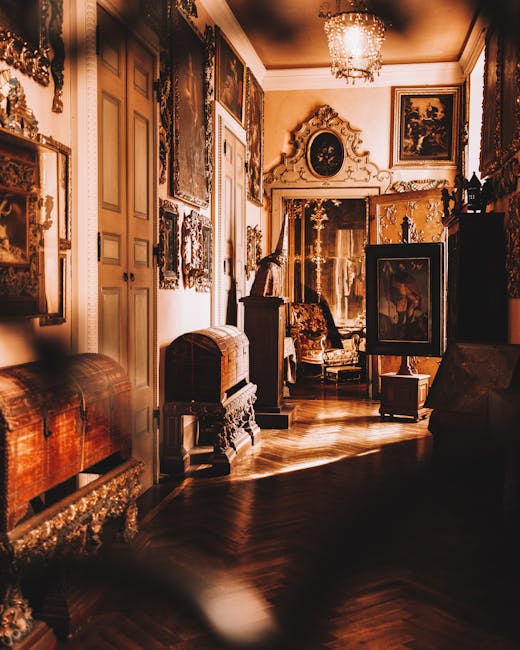
Moving near the Victoria and Albert Museum has a different feel to a standard house move. The streets are busy, the buildings are often elegant but awkward, and many homes in the area hold pieces that deserve more than a blanket and a hopeful lift. If you are moving antiques, framed art, mirrors, sculpture, or heirlooms, the real challenge is not just getting them across London. It is getting them there unchanged.
That is what this guide is about: Moving Near the V&A: Protecting Antiques and Art with care, planning, and the right moving methods. You will find practical steps, common mistakes, expert tips, and a realistic sense of what works in South Kensington-style properties, where stairwells are tight and timing matters. Truth be told, a little preparation saves a lot of nerves.
If you are planning a move that includes fragile or high-value items, this article will help you think clearly about packing, transport, handling, and the decisions that make all the difference. And yes, a calm move is possible, even if the room currently looks like a museum store in the middle of a swap over.
Table of Contents
- Why Moving Near the V&A: Protecting Antiques and Art Matters
- How Moving Near the V&A: Protecting Antiques and Art Works
- Key Benefits and Practical Advantages
- Who This Is For and When It Makes Sense
- Step-by-Step Guidance
- Expert Tips for Better Results
- Common Mistakes to Avoid
- Tools, Resources and Recommendations
- Law, Compliance, Standards, or Best Practice
- Options, Methods, or Comparison Table
- Case Study or Real-World Example
- Practical Checklist
- Conclusion
- Frequently Asked Questions
Why Moving Near the V&A: Protecting Antiques and Art Matters
Antiques and art are not like ordinary household goods. They can be sensitive to vibration, temperature changes, moisture, pressure, dust, and awkward handling. A small slip on a stair can mean a dented frame, a cracked glaze, or a tear in canvas. Sometimes the damage is obvious straight away. Sometimes it shows up later, which is even more frustrating.
In and around South Kensington, many moves involve period properties, lifts with limited space, and parking arrangements that need careful planning. Add in valuable interiors, tight access, and a client who would rather not hear the sound of a chair leg scraping wood, and you can see why standard moving methods are often not enough.
To be fair, not every old item is fragile in the same way. A solid oak chest will behave differently from a gilt mirror, and a bronze sculpture has different needs again. The point is not to overcomplicate things. It is to match the packing and transport method to the object itself.
Protecting antiques and art also matters because these items often carry emotional weight as well as financial value. A family portrait, a collector's print, or a 19th-century side table may be irreplaceable in practice. Once you think of them that way, careful moving stops being a luxury and becomes basic common sense.
If your move includes a mix of household goods and higher-value pieces, it can help to look at a broader moving setup such as home moves or support from experienced house removalists, especially where access and timing are tight.
How Moving Near the V&A: Protecting Antiques and Art Works
The process starts long before the van arrives. In practice, safe art and antique moving is a chain of small correct decisions. If one link is weak, the whole thing becomes riskier. That sounds a bit dramatic, perhaps, but it is true.
First comes assessment. The mover or owner should identify which items need special handling, whether they are framed works, porcelain, mirrors, marble, freestanding furniture, or mixed collections. Each item should be checked for loose joints, old repairs, fragile surfaces, missing screws, or pre-existing damage. Photographing condition before the move is a very sensible habit.
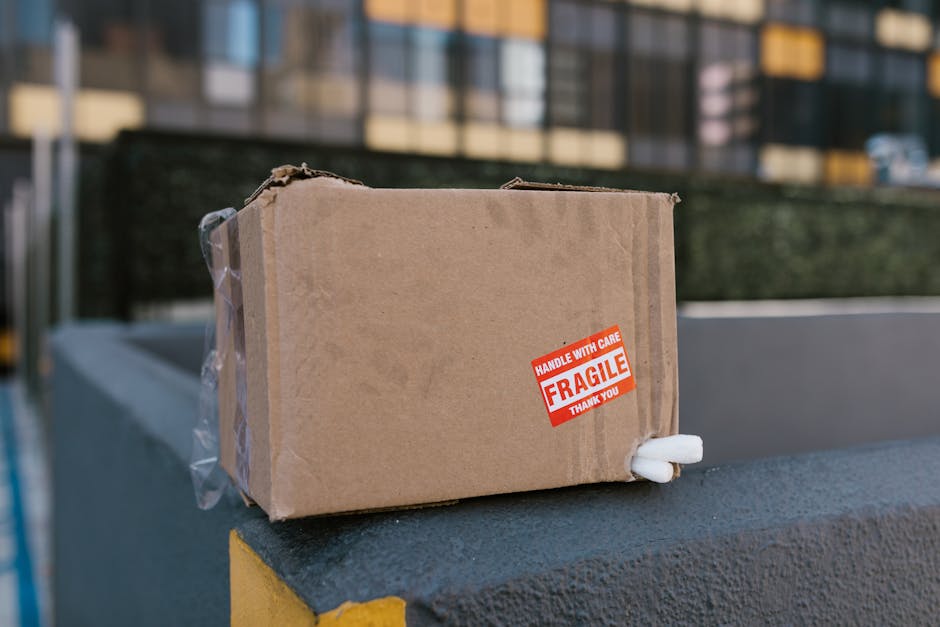
Next is preparation. This usually includes soft wrapping, corner protection, acid-free tissue for delicate surfaces where appropriate, and proper outer protection such as padded blankets, custom crates, or rigid boxes. The main idea is simple: stop movement inside the wrap and stop pressure from being transferred to the surface.
Then comes loading. Art and antiques should be secured upright when required, separated from heavy household items, and positioned so they cannot shift during braking or cornering. A professional moving truck or a well-managed removal truck hire arrangement helps because the vehicle, loading method, and tie-down points all matter more than people sometimes assume.
Finally, there is delivery and unpacking. The destination should be ready before the items arrive. That means clear pathways, measured spaces, and a plan for where each piece will go. If the move is part of a larger home or business relocation, using packing and unpacking services can take a lot of pressure off the day itself.
Key Benefits and Practical Advantages
There are clear advantages to treating art and antiques as a specialist part of the move rather than as a side note.
- Lower risk of breakage: Proper wrapping and handling reduce impact damage, rubbing, and compression.
- Better condition control: Sensitive items are less likely to suffer from damp, dirt, or temperature swings.
- Less stress on moving day: A defined plan cuts last-minute decisions and awkward improvisation.
- More efficient loading: Fragile items can be loaded in the right order, not wedged in wherever they fit.
- Cleaner unpacking: Items arrive organised, labelled, and easier to place correctly.
- Better record keeping: Photos and inventories help track what has moved and what condition it was in.
There is also a quieter benefit that people often notice only afterwards: confidence. When your collection is packed properly, you stop hovering over every corner and every doorway. You can focus on the move itself. Small thing, but very real.
For business owners, galleries, or interior designers, specialist handling can also protect deadlines and client relationships. If art or furniture is going into a commercial space, it may be worth reviewing services such as commercial moves or, where workplace items are involved, office relocation services.
Who This Is For and When It Makes Sense
This guide is for anyone moving valuable or delicate pieces near the V&A, but it is especially relevant if your move includes one or more of the following:
- family antiques passed down over generations
- framed paintings, prints, photographs, or limited editions
- mirrors with thin glass or ornate frames
- ceramics, porcelain, and decorative objects
- carved furniture, inlaid tables, or veneered pieces
- sculpture, marble, stone, or heavy decorative items
- collector pieces bought through auctions or private sales
- home contents in period flats or townhouses with difficult access
It also makes sense if you are moving out of a property near exhibition spaces, showrooms, or design-led homes where objects have been carefully curated. In those cases, the items themselves may not be old in the traditional sense, but they can still be vulnerable. A contemporary artwork with a delicate surface can be as tricky as an antique cabinet.
If you only have one or two awkward items, a flexible service like man and van or man with van may suit you, provided the provider understands careful handling and the route is simple enough. If the pieces are particularly valuable, though, bigger is not always better, and neither is cheaper. You want the right level of care, not just a vehicle with wheels.
Step-by-Step Guidance
Here is a practical way to approach the move without turning your week upside down.
- Make a full item list. Separate antiques, art, mirrors, and fragile decorative objects from standard furniture. Add measurements, materials, and any existing damage.
- Photograph every item. Take clear images of the front, back, corners, edges, and any marks. You do not need studio lighting. Good daylight near a window is fine.
- Check access at both addresses. Measure doorways, stair turns, lifts, hallways, and loading areas. In South Kensington, access can be the real bottleneck, not the item itself.
- Choose the right packing method. Use acid-free paper or tissue for delicate surfaces, bubble wrap where appropriate, thick blankets for furniture, and corner guards for frames and screens.
- Label items clearly. Mark what is fragile, which side should stay upright, and which room each item belongs in. Clear labels save time later.
- Plan the load order. Put the most fragile items where they are least likely to be crushed or knocked. Heavy items should not be stacked over delicate ones. Obvious, yes, but easy to overlook on a busy day.
- Secure the vehicle properly. Use straps, padding, and separation between items. The aim is to remove movement, not simply move things into a van and hope for the best.
- Unpack with care. Inspect items before and after unwrapping. Keep the packing materials until you are sure everything is fine.
A small but useful detail: if an object has removable parts such as drawers, glass shelves, or detachable legs, deal with those separately and label them. It sounds tedious. It saves time. Every single time.
Expert Tips for Better Results
Experienced movers tend to do a few things consistently, and those habits are worth copying.
Use the right protection for the surface, not just the shape. A polished lacquer finish, a gilt frame, and an oil painting all need different handling. The surface is often more vulnerable than the structure.
Keep items stable inside the wrap. Wrapping that looks thick but still lets the object shift is not really protection. Snug is better than bulky.
Think in layers. First protect the surface, then the corners, then the outer shell, then the load position in the vehicle. That layered approach works better than one heavy blanket thrown over everything.
Work room by room. This is especially helpful in homes with mixed content. A room-by-room approach makes inventory, packing, and later placement much easier. Plus, it cuts the chance of a missing item wandering into the wrong box. Humans are remarkably good at doing that.
Leave breathing space where it matters. Overpacking can create pressure points. A tightly packed box may seem safe, but if the contents can press against each other, problems follow. Think calm, not cram.
Use specialist support for awkward items. Large mirrors, marble tops, oversized canvases, and narrow staircases can justify proper professional handling. If you need something small-scale but careful, furniture pick-up can be useful for individual pieces that need focused attention.
Keep paperwork together. Receipts, inventories, valuations, and condition notes should travel with you, not in a random kitchen drawer. It is one of those boring habits that feels very sensible later.
Common Mistakes to Avoid
Most damage during moves is not caused by one dramatic event. It comes from a string of small mistakes. Here are the big ones to watch for.
- Packing too quickly: Rushed wrapping often leaves corners exposed and surfaces rubbing together.
- Using the wrong materials: Newspaper can mark, tape can damage finishes, and loose packing peanuts can shift everywhere.
- Ignoring existing weakness: A loose joint or old repair may fail under vibration if not checked first.
- Underestimating access: A piece may fit through the front door but still fail at the staircase turn. Classic problem.
- Mixing fragile and heavy items: One hard-edged box in the wrong place can spoil the whole load.
- Skipping labels: Without clear labels, unpacking becomes guesswork, and guesswork is not a strategy.
- Not documenting condition: If an issue appears later, good photos and notes help clarify what happened.
Another mistake is assuming that expensive automatically means fragile, or that old automatically means weak. Neither is always true. A well-made antique chair can be sturdy, while a modern sculptural lamp can be a nightmare to transport. Context matters.
Tools, Resources and Recommendations
You do not need a warehouse full of specialist gear, but the right tools make a genuine difference. Here are the basics worth having for art and antique moves:
- acid-free tissue or paper for delicate finishes
- bubble wrap for suitable hard-surface protection
- blankets and furniture covers
- corner protectors for frames and mirrors
- sturdy boxes in several sizes
- labels, marker pens, and inventory sheets
- padded straps and load restraints
- gloves for handling certain surfaces where appropriate
- measuring tape for access checks and placement planning
For many moves, the most useful resource is not an object at all. It is a clear service plan. That can mean combining packing support with transport, or using a team that understands the flow from one stage to the next. If that is what you need, it may be worth exploring the company's packing and unpacking services alongside the vehicle and labour required for the day.
Before booking, it is sensible to ask practical questions: Who packs fragile items? Are blankets and protective materials included? How are framed pieces loaded? What happens if access is awkward? These are normal questions, not fuss. Good providers expect them.
Law, Compliance, Standards, or Best Practice
For most home moves, the main issue is not a specific statute about antiques or artwork. It is the duty of care expected from the moving team and the sensible precautions expected from the customer. In plain English, both sides should act reasonably to reduce avoidable damage.
Where valuable items are involved, good practice usually includes:
- a documented inventory of fragile items
- condition photos taken before loading
- clear communication about special handling requirements
- properly secured transport
- appropriate insurance cover, where relevant and confirmed in advance
If a move involves commercial premises, leased properties, or especially valuable collections, there may be additional contractual expectations around access, timing, or liability. It is wise to check terms and conditions and ask how responsibility is handled before the move begins. That is not being difficult. It is being careful.
For privacy and data handling, especially in business moves or when inventory lists include personal details, a company's privacy policy should also be easy to find and understand. And if you are still comparing the company itself, its about us page can help you get a feel for how it works and whether the service approach matches your expectations.
Options, Methods, or Comparison Table
There is no single best method for every move. The right choice depends on item value, fragility, access, distance, and how much hands-on help you want.
| Method | Best for | Advantages | Watch-outs |
|---|---|---|---|
| Self-packing with hired transport | Lower-risk items or smaller collections | More control over wrapping and labelling | Requires time, materials, and know-how |
| Professional packing plus transport | Fragile antiques, fine art, and mixed contents | Reduced handling stress, cleaner process | Costs more than a basic move |
| Single-item focused move | Large mirrors, statement furniture, or one-off pieces | Efficient and often easier to schedule | Still needs careful access planning |
| Storage-first approach | When dates do not line up or renovations are ongoing | Gives breathing room and reduces rush | Storage conditions should suit the items |
For some moves, a mixed approach is best. You may pack standard household items yourself, then use specialists for art, mirrors, or furniture. That balance can be practical and cost-aware without cutting corners where it really matters.
Case Study or Real-World Example
Here is a realistic example based on the kind of move that happens often in South Kensington.
A couple moves from a first-floor flat near the museums into a nearby townhouse. Their belongings include two framed artworks, a marble side table, an antique chest, and several smaller decorative objects picked up over years of living in London. The flat has a narrow staircase and the new house has a tight hallway with a turn that looks easy until you are standing there holding a heavy frame. You know the sort.
Instead of packing everything together, they separate the specialist items first. The artworks are photographed, wrapped with corner protection, and kept upright. The marble table top is detached and cushioned separately. The chest is checked for loose joints and blanketed before loading. Boxes of everyday items are packed later, leaving room on the truck for the fragile pieces to be placed safely.
On the day, the team loads the antiques first, then lighter household boxes, then final soft items to stop shifting. At the destination, the artworks are carried in before anything else gets in the way. The result is a quieter move, fewer delays, and no scrambling to protect a frame while the kettle is still in the van.
The key lesson is simple: the move went better because the valuable pieces were treated as a separate category, not just "the nice stuff" bundled in at the end.
Practical Checklist
Use this checklist in the days before moving. It is deliberately simple, because complicated checklists tend to get ignored.
- List all antiques, art, mirrors, and fragile decorative pieces
- Take dated photos of each item and any pre-existing marks
- Measure doors, stairs, lifts, and hallways at both properties
- Set aside packing materials before moving day begins
- Use protective wrapping suitable for the material and finish
- Label items as fragile and note upright-only pieces clearly
- Keep hardware, screws, and detachable parts in labelled bags
- Confirm the vehicle size and loading setup in advance
- Make sure the destination room layout is ready
- Inspect items again after delivery, before discarding packing materials
Expert summary: the safest move is usually the one with the most preparation, not the most rushing. Measure twice, pack once, and leave enough time for the awkward bit at the front door. That alone prevents a lot of headaches.
Conclusion
Moving antiques and art near the V&A is less about strength and more about judgement. The right materials, the right sequence, and the right transport setup protect pieces that may be valuable, sentimental, or both. If you plan carefully, you can move with confidence instead of crossing your fingers and hoping for the best.
The real takeaway is straightforward: treat delicate pieces as a specialist category from the start. Measure, document, pack properly, and choose support that understands careful handling in a busy South Kensington setting. That way, the move feels controlled rather than chaotic, which is exactly what you want when the items mean something to you.
If you are comparing options or arranging a move soon, speak with a team that can help you plan the packing, transport, and access details with care. Get a free quote today and see how much you can save.
And if there is one final thought to carry with you, it is this: the best move is often the one that lets the antiques, the art, and your nerves all arrive in one piece.
Frequently Asked Questions
How do you protect antiques during a move?
Protect antiques by checking their condition first, wrapping surfaces with the right materials, padding corners, and making sure they are secured so they cannot shift in transit. Delicate joints and veneers need extra care.
What is the safest way to move artwork?
The safest approach is usually to photograph the piece, protect the surface and frame, keep it upright when required, and load it so it cannot flex or rub against other items. Large or valuable artwork may benefit from specialist packing.
Should I pack art and antiques myself or use professionals?
It depends on the item and your experience. Smaller, sturdy pieces may be manageable with care, but valuable, fragile, or awkwardly shaped items are often safer with professional packing and transport support.
Do I need special materials for packing antiques?
Yes, in many cases. Acid-free tissue, corner protectors, padded blankets, suitable boxes, and proper tape are all useful. The key is to match the material to the item so you do not damage finishes or surfaces.
How far in advance should I plan a move with fragile items?
As early as possible. Even a local move benefits from advance planning because access, packing, and vehicle needs can take longer than expected. For larger collections, a few weeks of lead time is often more comfortable.
What should I do with a mirror or framed artwork in a narrow staircase?
Measure the route carefully before moving day and make sure the item is wrapped with corner protection and handled by at least two people if needed. Sometimes it is better to remove the frame or move the item vertically depending on the layout.
Can antiques be damaged by temperature or damp during a move?
Yes, they can. Wood, paper, canvas, and adhesives may react to moisture and temperature changes. That is why covered vehicles, sensible timing, and clean, dry packing conditions matter.
Is storage useful if my move dates do not match?
Definitely. If there is a gap between properties, storage can reduce pressure and keep fragile items out of a rushed environment. Just make sure the storage conditions are suitable for what you are keeping there.
How do I know if a mover is suitable for antiques and art?
Ask how they handle fragile items, what packing materials they use, how they manage access problems, and whether they can explain their process clearly. Good providers usually give straightforward answers and do not overpromise.
Should I insure valuable art and antiques before moving?
It is sensible to check insurance cover before the move, especially for higher-value items. Policies vary, so confirm what is included, what exclusions apply, and whether you need to declare certain pieces separately.
What is the biggest mistake people make when moving antiques?
The biggest mistake is usually rushing. People assume the item is safe because it looks stable, then pack it too quickly or load it badly. The quiet, careful steps are the ones that protect the piece.
Can a small move still benefit from specialist help?
Yes. Even a single antique table, painting, or mirror can justify careful handling. Small moves are sometimes the most awkward because people underestimate them, then realise the item is heavier or more delicate than expected.
Where can I learn more about your moving services?
You can review the service options on the main website, including the home page and the relevant pages for packing, transport, and home moving support. If you have questions, the contact page is the best place to start a conversation.