Kensington and Chelsea Council: waste rules for removals
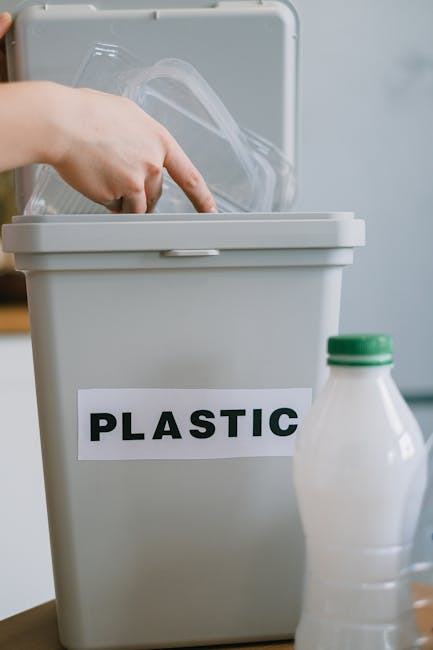
If you are moving in or out of Kensington and Chelsea, waste can become the awkward part of the day very quickly. One minute you are clearing cupboards and sorting furniture; the next you are staring at broken boxes, old carpet offcuts, a half-full paint tin, and asking, what is the council actually expecting here? That is exactly where Kensington and Chelsea Council: waste rules for removals matter. Get them wrong, and you can end up with delays, missed collections, or a tidy-looking street that still causes a problem.
This guide explains the rules in plain English, with practical advice for home moves, office clearances, bulky items, and the bits people often forget until the last minute. It is written for real removal days, not an idealised one. You will see what to separate, what to avoid leaving out, how to plan around collections, and when a proper removals service can save you a lot of faff. If you are preparing for a move, you may also find our pages on home moves and man and van support useful as part of the wider plan.
In short: the best removals are the ones where waste is sorted early, hazardous items are dealt with separately, and bulky rubbish is not left to chance on the pavement. Simple enough. Not always easy, though.
Table of Contents
- Why Kensington and Chelsea Council: waste rules for removals matters
- How Kensington and Chelsea Council: waste rules for removals works
- Key benefits and practical advantages
- Who this is for and when it makes sense
- Step-by-step guidance
- Expert tips for better results
- Common mistakes to avoid
- Tools, resources and recommendations
- Law, compliance, standards, or best practice
- Options, methods, or comparison table
- Case study or real-world example
- Practical checklist
- Conclusion
- Frequently asked questions
Why Kensington and Chelsea Council: waste rules for removals Matters
Removal day creates waste in a way normal life just does not. Boxes pile up, wrapping paper spreads everywhere, furniture needs dismantling, and suddenly you have a mix of everyday rubbish and bulky items that do not belong in a standard bin. In Kensington and Chelsea, this matters even more because space is tight, streets are busy, and shared access points can make a small mistake feel much bigger than it is elsewhere.
For homeowners and tenants, the council rules matter because they help keep pavements clear, prevent fly-tipping, and make sure waste is collected in a way that is safe and manageable. For landlords, managing agents, and office occupiers, the stakes are similar but the waste volumes can be higher. One badly timed pile of waste can create complaints from neighbours, building managers, or porters. And in a borough where many properties sit close together, that is not the kind of attention anyone wants.
There is also the practical side. If you know the rules early, you can plan your move more smoothly. You know what can go into normal rubbish, what needs separate handling, and what should be booked for bulky collection or removed by a licensed waste carrier. That saves stress on the day. Truth be told, it also saves those slightly panicked conversations at 7:30am when a removal van is outside and the old mattress is still lying in the hallway.
To be fair, most removal problems are not dramatic. They are just messy. A few bags left out too soon. A broken mirror in the wrong pile. A sofa that was supposed to be taken but never made it into the plan. The council rules are there to stop that mess from turning into a bigger issue.
How Kensington and Chelsea Council: waste rules for removals Works
The basic idea is simple: waste from removals should be separated, stored safely, and disposed of through the correct route. In practice, there are a few different streams to think about.
1. General household waste
This is the ordinary non-recyclable rubbish from a move: damaged packaging, torn bags, small broken household items, and similar refuse. It should be bagged securely and presented in line with the usual collection arrangements for the property. Do not assume a pile on the pavement will be accepted just because it is moving day. That is the sort of thing that causes problems quickly.
2. Recycling and cardboard
Removal jobs create a mountain of cardboard, tape, protective wrap, and packaging material. Cardboard should usually be flattened and kept separate if recycling is available. Clean paper, plastic wrap, and other recyclable items should also be sorted where possible. It makes the space feel less chaotic too. You know that moment when the room starts to echo again because the boxes are finally gone? Very satisfying.
3. Bulky waste
Large items such as sofas, wardrobes, tables, mattresses, and appliances often need special handling. Depending on the item and the council's current service options, you may need a bulky waste booking, a re-use or donation route, or collection by a waste contractor. Leaving bulky items outside without checking the rules is risky, especially in shared streets or blocks.
4. Hazardous or specialist waste
This includes things like old paint, chemicals, batteries, gas canisters, fluorescent tubes, cleaning fluids, and some electrical items. These should not be bundled in with ordinary removal waste. They often require separate disposal because they can be harmful, messy, or simply unsuitable for regular collection. If you are unsure, treat it as specialist waste until you confirm otherwise. That is the safer habit.
5. Construction or refurbishment waste
If your move includes decorating, strip-out work, or minor refurbishment, waste such as plaster, tiles, wood offcuts, or fitted units may be treated differently from household rubbish. This is where people get caught out. A moving van full of household goods is one thing; a van full of rubble is another. For larger clearances, a service like removal truck hire can help when items are too bulky for standard transport, but the disposal route still needs to be right.
In everyday terms, the council wants waste to be controlled, not dumped, and not mixed in a way that makes collection unsafe or unmanageable. Simple principle. Important consequences.
Key Benefits and Practical Advantages
Following the waste rules is not just about avoiding trouble. It can actually make the removal itself easier, cleaner, and cheaper in the long run.
- Less last-minute stress: You are not scrambling to decide whether a broken shelf or old rug can go with the rest of the move.
- Cleaner departure: The property is easier to hand over, whether you are leaving a flat, maisonette, or office suite.
- Safer handling: Waste sorted correctly is easier for movers to carry and stack without accidents.
- Lower risk of complaints: Neighbours, landlords, and building managers are less likely to object when waste is managed properly.
- Better use of transport: When a removal team is focused on belongings rather than unsorted junk, the job tends to run smoother.
- More options for re-use: Good furniture, appliances, and boxed items may be suitable for reuse, resale, or donation instead of disposal.
There is another benefit people often overlook: planning waste properly gives you a clearer picture of the actual move. Once you separate what is being kept, sold, donated, or thrown away, the whole job becomes more manageable. In our experience, people suddenly realise they do not need as many trips, or as large a vehicle, as they first thought. That kind of clarity matters.
If you are comparing different moving setups, our man with van and moving truck options can suit different move sizes, especially when there is a blend of furniture, packed boxes, and a little disposal work to think about.
Who This Is For and When It Makes Sense
This topic is relevant to a lot more people than you might think. It is not only for residents doing a one-off flat move.
- Tenants moving out who need to leave the property clean and waste-free.
- Homeowners clearing old furniture, loft contents, or garden items before completion.
- Landlords and letting agents dealing with end-of-tenancy clearances.
- Office managers planning an internal move or relocation.
- Small businesses disposing of packaging, stock, display units, or redundant furniture.
- Families downsizing and deciding what to keep, pass on, or remove.
- Anyone with bulky items that will not fit in normal waste collections.
It makes sense to think about these rules early if you are moving in a period of several days rather than doing everything in one afternoon. Even a few boxes of unwanted items can change the logistics. A small decision now can prevent a larger headache later. Have you ever moved and discovered one oddly heavy cupboard you swore was staying? Exactly.
For bigger properties or commercial moves, you may want to combine waste planning with professional packing support. That is where packing and unpacking services can be genuinely useful, because they reduce the amount of loose packing material and make sorting easier at source.
Step-by-Step Guidance
If you want a calm move, start with waste before the van arrives. Not after. Before.
- Walk through every room
Make a quick inventory of what is leaving, what is staying, and what is waste. Include the loft, basement, under-bed storage, cupboards, and any awkward corners where things hide. - Split items into categories
Use simple groups: keep, donate, recycle, dispose, and specialist waste. Do not mix them if you can help it. - Check bulky items early
Sofas, mattresses, wardrobes, white goods, and office furniture often need a separate plan. If they are coming with you, fine. If not, arrange the disposal route before moving day. - Flatten and bundle packaging
Cardboard, paper wrap, and empty cartons should be broken down so they take up less space. Tape them lightly if needed, but do not overpack bags. - Separate hazardous items
Set aside batteries, paint, solvents, aerosols, and similar items. Keep them away from children, pets, and normal rubbish bags. - Label clearly
A quick label on bags or boxes saves time when several people are helping. A little bit of organisation goes a long way. - Book the right removal support
Choose a service that matches the volume and type of load. If you need a home clear-out, our house removalists page explains the kind of support that works well for larger domestic moves. - Leave final waste out at the correct time
Do not put items outside too early if that causes obstruction or breach of local rules. Timing matters more than people think.
One good habit is to create a "last out, first sorted" corner near the exit. It sounds small, but it keeps the final sweep tidy. You will be amazed how many old chargers, stray screws, and random bits of tape appear in that last hour.
Expert Tips for Better Results
Here is where a bit of real-world experience helps. Most removal problems are avoidable if you give waste as much attention as the furniture itself.
- Start waste sorting earlier than feels necessary. Moving week has a habit of filling itself with odd little jobs. If you leave waste decisions until the night before, everything feels harder.
- Keep a separate bag for "unknowns." You will find items that need checking: cords, batteries, small electronics, mixed-material objects. Having one holding bag stops them wandering into the wrong pile.
- Protect shared hallways. In mansion blocks and converted houses, keep routeways clear. A clean landing is not just polite; it is safer and often expected by building rules.
- Do not assume all furniture is disposable in the same way. A bookcase, a mattress, and a fridge each have different practical disposal considerations. Some can be reused. Some cannot.
- Think in terms of loading order. Waste should not sit where it blocks access to the most important items. If the kettle, documents, and keys are buried under old packaging, your day gets weirdly harder.
- Ask yourself what can be reused. A surprisingly decent chair or table may be better passed on than thrown away. Less waste, less cost, better outcome.
A slightly messy but true observation: the smoother the waste plan, the more relaxed everyone looks by lunchtime. Even the mover who has already carried three wardrobes and is pretending not to be tired.
Common Mistakes to Avoid
People usually do not get waste rules wrong because they do not care. They get them wrong because moving is distracting. You are juggling keys, contracts, parking, packing, and the smell of dust from behind the fridge. It happens.
- Leaving everything for the final hour. This is probably the biggest one. Waste decisions take longer than expected.
- Mixing bulky waste with regular rubbish. This can lead to refusals or extra handling.
- Putting out items too early. In busy streets, that can lead to obstruction, mess, or complaints.
- Forgetting hazardous waste. Paint, batteries, and chemicals should never be treated casually.
- Assuming the removals team will take everything automatically. Always agree what is being moved and what is being disposed of.
- Ignoring building or estate rules. Some properties have their own collection windows, loading bays, or waste-room procedures.
- Overfilling bags. Heavy bags split, and once they split, the whole job becomes irritating. Nobody likes that job.
One more thing: do not leave it to "we'll sort it on the day." That phrase has caused more chaos than people admit.
Tools, Resources and Recommendations
You do not need fancy equipment to manage move waste properly, but a few simple tools make life much easier.
- Strong refuse sacks for general waste and lighter packing debris.
- Marker pens and labels so items are easy to identify.
- Box cutters or scissors for breaking down cardboard safely.
- Gloves for handling dusty, sharp, or awkward items.
- Tape and string for bundling flat packaging and securing loose pieces.
- Cleaning cloths and dustpan for the final sweep once waste is removed.
- Spare bags or crates for items that turn up at the last minute.
For families, a small "do not move" box is also useful. Put passports, tenancy paperwork, charger cables, and keys in it. It sounds unrelated to waste rules, but it stops important stuff ending up under packaging or in a disposal pile by mistake. People laugh until the car keys go missing.
If your move includes furniture that still has value, it is worth considering a dedicated collection route. Our furniture pick-up page is a practical place to start when you have items that are too good to dump but too awkward to shift yourself.
Law, Compliance, Standards, or Best Practice
Waste during removals is not only a practical issue; it is also a compliance issue. In the UK, householders and businesses have a duty to dispose of waste responsibly. That does not mean you need to become a legal expert overnight, but it does mean you should take care over who collects the waste, where it goes, and how it is presented.
For removal jobs, the safest general best practice is to use reputable, traceable disposal routes. If a company is taking waste away, make sure the arrangement is clear and documented in the job scope. This is especially important for commercial premises, where duty-of-care expectations are higher and there may be mixed waste streams. If you are planning a business move, our commercial moves and office relocation services pages are helpful for understanding how larger moves are typically handled.
Best practice also means being careful with items that can cause harm or contamination. Things like batteries, solvents, gas canisters, and certain electrical goods should be kept separate. If you are unsure about an item, the sensible approach is to treat it cautiously rather than assume it belongs with normal rubbish.
For renters, another practical point is the condition of the property at handover. Leaving a flat littered with packaging, broken fittings, or mixed rubbish can create avoidable friction. It is not just about neatness. It is about showing that the move has been handled properly.
"A good move is rarely the one with the fanciest van. It is usually the one where the waste plan was quietly sorted before the heavy lifting began."
Options, Methods, or Comparison Table
There is more than one way to deal with removal waste. The right choice depends on volume, item type, access, and timing. Here is a simple comparison to help you decide.
| Method | Best for | Pros | Watch-outs |
|---|---|---|---|
| Regular council collection | Small amounts of household waste and recyclables | Simple, familiar, and often suitable for routine rubbish | Not suitable for all bulky items or special waste |
| Bulky waste route | Large furniture, mattresses, and similar items | Good for single items or smaller clear-outs | May need advance booking and item checks |
| Reuse or donation | Furniture and household goods in decent condition | Reduces waste and can help others | Items must be clean, usable, and arranged in time |
| Dedicated removal service | Mixed move loads, larger homes, or offices | More controlled, efficient, and easier to coordinate | Requires clearer planning about what stays and what goes |
| Truck or van hire | Moves with significant volume or awkward items | Flexible for bigger loads and staged clear-outs | You still need a disposal plan for waste items |
For many people, the best option is a combination: reuse what can be reused, recycle what can be recycled, and use a proper transport service for the rest. That is where a man with van service can be a sensible middle ground for smaller moves, while a larger load may suit removal truck hire. No drama. Just match the method to the job.
Case Study or Real-World Example
Imagine a small two-bedroom flat near South Kensington with a move-out date on Friday morning. The tenants have packed most belongings already, but there is still a dining chair with a split seat, a mattress protector, a broken lamp, a stack of cardboard, and two bags of old kitchen bits. On top of that, there is a half-decent side table that is not needed in the new place.
If they leave everything until the van arrives, the hallway becomes cluttered and the decision-making gets rushed. The split chair might be forgotten, the cardboard may be shoved into the nearest bag, and the side table could end up in the wrong pile. That is how waste gets mixed and time gets lost.
A better approach is to sort the items two days earlier. The side table is cleaned and set aside for reuse or collection. The mattress protector and kitchen bits go into general waste if appropriate. The broken lamp is checked for any specialist components. The cardboard is flattened and grouped. By the time the removal team arrives, the floor is clear and the items that need disposal are already identified.
The move feels calmer. The landlord inspection is easier. The van is loaded more efficiently. And there is no moment of standing in the corridor wondering whether the chair belongs to the move or the dump. That tiny sense of control really matters on a moving day. It sounds small, but it makes the whole day less exhausting.
Practical Checklist
Use this before the removal team arrives. It is simple, but it works.
- Walk through every room, cupboard, and storage area.
- Separate keep, donate, recycle, dispose, and specialist waste.
- Identify all bulky items early.
- Set aside batteries, paint, chemicals, and other hazardous items.
- Flatten all cardboard and packaging.
- Check what the council collection or estate rules allow.
- Confirm what the removals team will take and what it will not.
- Label bags, boxes, and items clearly.
- Keep pathways, doors, and communal areas clear.
- Finish with a final sweep for screws, tape, and stray wrapping.
Quick expert summary: the best removal waste plan is the one that starts early, keeps hazardous items separate, and avoids mixing bulky waste with everyday rubbish. That is the core of good practice, and it saves time in the real world.
If you are still deciding how much support you need, it can help to speak with a team that understands both transport and handling. You can get in touch here if you want to talk through the kind of move you are planning.
Get a free quote today and see how much you can save.
Conclusion
Kensington and Chelsea Council: waste rules for removals are really about staying organised, keeping streets and communal spaces clear, and making sure waste is handled in a responsible way. Once you break the job into categories, it becomes much less intimidating. Ordinary rubbish, recycling, bulky items, and specialist waste all need slightly different treatment, but none of it is unmanageable if you start early.
The biggest win is simple: a cleaner move with fewer surprises. That means less stress for you, less friction with neighbours or building managers, and a better chance of finishing the day with everything in its right place. Not perfect. Just better. And honestly, on moving day, better is a very good thing.
For more about the people behind the service, you can also read about us, and for service terms, it is always wise to review the terms and conditions and privacy policy before booking.
Move carefully, sort early, and give yourself a bit of breathing room. That small bit of calm at the end of a packed day is worth quite a lot.
Frequently Asked Questions
What are Kensington and Chelsea Council: waste rules for removals in simple terms?
They are the practical rules and expectations for how removal waste should be sorted, stored, and collected so it does not create a safety, cleanliness, or access problem during a move.
Can I leave old furniture on the pavement during my move?
Not without checking the correct collection route first. Bulky items usually need a proper arrangement, and leaving them out unplanned can cause complaints or enforcement issues.
What should I do with cardboard from packing?
Flatten it, keep it dry if possible, and separate it from general waste. Clean cardboard is often easier to handle and may be suitable for recycling depending on the collection setup.
Are paint tins and batteries classed as normal waste?
No, they should be treated carefully. Paint, batteries, aerosols, chemicals, and similar items are better kept separate because they may need specialist disposal.
Do removal companies take waste away automatically?
Not always. You should agree in advance what is being moved, what is being disposed of, and whether any bulky or specialist waste is included.
What happens if I mix rubbish with reusable items?
It can make sorting harder and may reduce the chance of donating or reusing good items. It also wastes space and can slow the move down.
Is it better to book a bulky waste collection or use a van service?
It depends on the items and the scale of the move. A bulky waste route suits single large items, while a van or removals service is often better for mixed loads and staged clear-outs.
How early should I start sorting waste before moving day?
Ideally a few days ahead, or earlier for bigger homes and office moves. The sooner you start, the easier it is to separate the useful stuff from the rubbish.
What if I live in a flat with shared bins or a porter system?
Check the building rules as well as the council expectations. Shared access can create extra restrictions on when and where waste can be placed.
Can office moves follow the same waste approach as house moves?
Some basics are the same, but office moves often involve more furniture, electronics, and mixed materials. That usually means more careful planning and clearer handling of specialist waste streams.
What is the biggest mistake people make with removal waste?
Leaving it all until the last moment. Once that happens, good items get mixed with rubbish, bulky items are forgotten, and the whole job feels twice as hard.
How do I know whether a service is right for my move?
Think about volume, access, timing, and how much disposal work is involved. A smaller home move may suit a simpler setup, while larger or messier jobs often need more structured support.