Exhibition Road access tips for South Kensington removals
If you are planning a move near Exhibition Road, you already know the hard part is not always the lifting. It is the access. The kerb space can be tight, traffic can be stop-start, and one small timing mistake can turn a neat move into a messy one. That is why these Exhibition Road access tips for South Kensington removals matter so much. They help you avoid wasted time, reduce stress, and make the whole day feel controlled rather than chaotic.
South Kensington has its own rhythm. Early mornings can feel calm, then suddenly the area wakes up, pavements get busier, and a perfectly good van position disappears. If you are moving a flat, a townhouse, or even an office nearby, a little planning goes a long way. In this guide, we will walk through the practical access issues, the best ways to prepare, common mistakes, and the sort of judgement calls that experienced movers make every day.
Key takeaway: On Exhibition Road, the move is rarely won by brute force. It is won by timing, vehicle choice, and a clean loading plan.
Table of Contents
- Why Exhibition Road access tips for South Kensington removals Matters
- How Exhibition Road access tips for South Kensington removals Works
- Key Benefits and Practical Advantages
- Who This Is For and When It Makes Sense
- Step-by-Step Guidance
- Expert Tips for Better Results
- Common Mistakes to Avoid
- Tools, Resources and Recommendations
- Law, Compliance, Standards, or Best Practice
- Options, Methods, or Comparison Table
- Case Study or Real-World Example
- Practical Checklist
- Conclusion
- Frequently Asked Questions
Why Exhibition Road access tips for South Kensington removals Matters
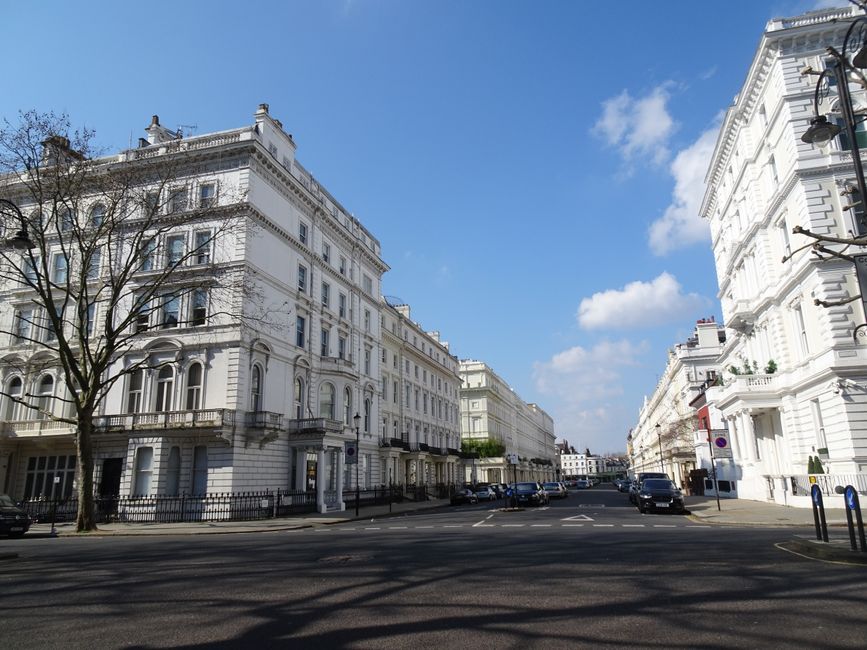
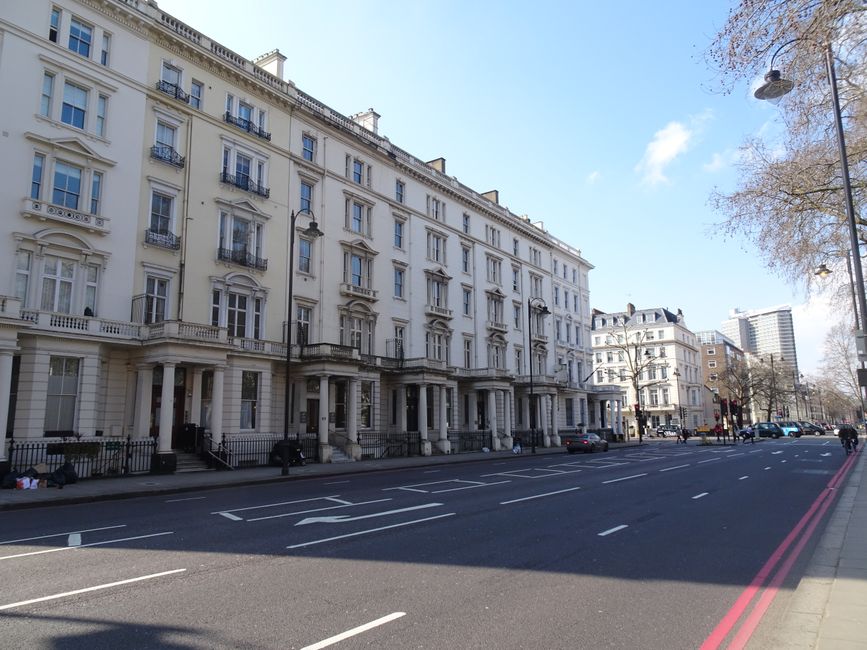
Exhibition Road is a distinctive part of South Kensington, and its layout can be very forgiving to pedestrians but less forgiving to a removal vehicle. That is the simple truth. Wide enough in places to feel open, yet busy enough that a truck parked badly can create a domino effect: slower loading, more carrying distance, frustrated neighbours, and a move that drifts off schedule.
For removals, access is not just about where the van stops. It also affects how far items need to be carried, whether large furniture can be loaded safely, and how quickly the crew can work without blocking people or getting in the way of traffic flow. On a street like Exhibition Road, a poor setup can easily add unnecessary strain to the day.
To be fair, many people only think about access once the boxes are already packed. That is usually when they notice the stairs are narrower than expected, the lift is small, or the closest stopping point is not actually close at all. Planning earlier helps you avoid that last-minute feeling where everyone is looking at the sofa and nobody quite likes the answer.
There is also a trust factor. If you are hiring help for a local move, a team that understands South Kensington conditions will usually ask different questions from a team that only talks about lifting boxes. They will want to know about parking, entry points, building rules, and the best approach for awkward items. That is a good sign.
If your move is mixed with office equipment, stock, or small commercial items, it can also help to look at a broader service option such as commercial moves or office relocation services. The access problems are often similar, even if the contents are very different.
How Exhibition Road access tips for South Kensington removals Works
Good access planning starts with three questions: where will the vehicle stop, how will items move between the property and the vehicle, and what could interrupt that route? Once you answer those, the rest becomes much more manageable.
In practice, a removal team will usually assess the following:
- How close the vehicle can reasonably get to the property entrance
- Whether loading or unloading will happen from the front, side, or a secondary entrance
- Whether the street is likely to be busy at your preferred time
- How much carrying distance there will be for furniture and boxes
- Whether the vehicle size matches the access available
- Whether any parking or waiting restrictions may affect the stop
The details matter. A small move might work well with a man and van setup, especially if you are only moving a few rooms or a small flat. A larger family move may need a bigger vehicle or a more structured plan, maybe even removal truck hire if the load is substantial.
One useful way to think about Exhibition Road is this: the actual moving day is only one part of the job. The access plan is the part that decides whether the day feels smooth or scrappy. No drama, ideally.
There is also the human side. If the team can park sensibly, keep the route clear, and avoid repeated back-and-forth carrying, the move tends to feel calmer. You hear less rushing, fewer apologies, fewer door frames catching on a badly judged corner. That is the kind of detail people remember.
Key Benefits and Practical Advantages
Strong access planning delivers more than convenience. It affects the quality of the move itself.
- Faster loading and unloading: Less distance between door and vehicle means less time spent walking back and forth.
- Reduced risk of damage: A shorter, clearer route usually means fewer bumps against walls, railings, and doorways.
- Better crew efficiency: Movers can focus on safe handling rather than improvising around access problems.
- Less disruption for neighbours: A tidy stop and quick turnaround are much easier for everyone nearby.
- Lower stress on the day: When access is planned, there is less second-guessing and fewer last-minute arguments about where to park.
There is a quieter benefit too: confidence. When you know the vehicle will fit the plan, the rest of the move feels more under control. That is especially helpful if you are already dealing with estate agents, building managers, keys, and all the usual moving-day faff. Let's face it, nobody needs extra faff.
If packing is part of the problem, a service like packing and unpacking services can save a surprising amount of time, especially for fragile items or awkward mixed loads. Better packing also makes access easier because items are quicker to load, stack, and protect.
Who This Is For and When It Makes Sense
These access tips are useful for almost anyone moving near Exhibition Road, but they matter most in a few specific situations.
Home movers benefit when they are leaving or arriving at a flat with limited frontage, a basement level, or shared entrances. If that sounds familiar, a service such as home moves or house removalists may be the right fit, because a good home removal plan takes access seriously from the start.
Small business owners and office managers need the same sort of planning, just with more time pressure and more items that cannot be delayed. Monitors, files, printers, IT equipment, stock, chairs, and signage all need a clean route in and out. Even a short delay can ripple through the day.
Students, sharers, and smaller households often assume a quick van stop will be easy enough. Sometimes it is. Sometimes it really is not. A narrow loading window, a busy street, and a couple of heavy wardrobes can change the equation quickly.
People disposing of furniture or collecting single items also need to think about access, even if the job looks simple. A bulky sofa or cabinet still needs space to move safely. For one-off collections, furniture pick-up can be a sensible option.
So when does it make sense to treat access as a priority? Pretty much any time the property is on or near Exhibition Road, and especially if you have large furniture, a fixed moving time, or very little room to spare.
Step-by-Step Guidance
If you want a calmer moving day, use a structured process. Nothing fancy. Just practical steps in the right order.
- Walk the route before moving day. Check the path from the property entrance to the nearest sensible stopping point. Note steps, slopes, tight corners, gates, and anything that might snag a mattress or cabinet.
- Measure the largest items. Sofas, wardrobes, beds, and desks are usually the things that decide whether access is straightforward or awkward. If in doubt, measure them properly. A tape measure is boring, yes, but it earns its keep.
- Choose the right vehicle size. A larger truck is not always better. On a busy street, a vehicle that is too big can actually slow the job down. Compare the load with the available space and choose accordingly. Sometimes a smaller, more nimble vehicle is the smarter call.
- Plan the loading order. Put the biggest and heaviest items nearest the exit in the property so they are first out. That avoids blocking the route with lighter boxes while everyone waits around.
- Set a realistic arrival time. Mornings can be calmer than later in the day, but every move is different. If your building has time restrictions or shared access, work around those rather than hoping they will be ignored.
- Protect the route. Door frames, floors, corners, and stair edges can all be vulnerable. Good protection does not just prevent damage. It also makes the crew more confident and efficient.
- Confirm who is handling parking or waiting. Do not leave that vague. One person should know who is managing the vehicle position and who is handling the keys, entry, and communication with the building.
- Keep essential items separate. Documents, chargers, medication, snacks, and keys should not vanish into the back of the van. They should be easy to reach when you need them.
A practical example: imagine moving from a second-floor flat near Exhibition Road with a narrow stairwell and a bulky corner sofa. If the van parks too far away, the team spends extra time on each carry, then has to rotate the sofa through a tighter angle than expected. That is exactly how a move becomes longer than planned. Now imagine the same move with a measured stopping point, protected walls, and the sofa loaded first. Completely different day.
Expert Tips for Better Results
Here is where experience helps. Small adjustments often matter more than people expect.
- Keep your access notes in one place. A quick message thread gets messy fast. One written summary of entrance details, timing, and restrictions is much easier to follow.
- Use a "first out, last in" logic. The first items loaded should usually be the last items needed at the destination. That is not glamorous, but it keeps the move efficient.
- Label awkward items clearly. Anything fragile, heavy, or oddly shaped should be obvious at a glance. It saves decision time when everyone is moving quickly.
- Speak to the building manager early. If there are shared entrances, lift bookings, or house rules, get them sorted before moving day. It avoids awkward surprises.
- Allow a buffer for traffic and people flow. South Kensington can feel calm, then suddenly busy. A buffer of even 15 or 20 minutes can take the edge off the day.
- Think about unloading order at the destination too. If the new property has stairs or a long corridor, put the essentials somewhere accessible first.
One thing I would say from experience: people often over-focus on the largest furniture and under-focus on the small stuff. But a pile of badly packed boxes can be just as annoying as a sofa that will not turn the corner. Sometimes more annoying, honestly.
If the move is especially tight, using a man with van option can be a practical compromise for smaller loads. And if you want a better first impression when the van arrives, a well-planned route and neat packing will do more for the day than almost anything else.
Common Mistakes to Avoid
Most access problems are preventable. The same mistakes come up again and again.
- Assuming the van can stop wherever it likes. It usually cannot. Not safely, not politely, and not efficiently.
- Ignoring building access rules. A shared entrance or managed property can have its own expectations. Find out early.
- Choosing a vehicle before understanding the route. Bigger is not always better. The smartest vehicle is the one that fits the street and the load.
- Leaving fragile or awkward items for last. That often creates pressure right when the team needs calm.
- Forgetting about return journeys. If the van has to shuttle, the second trip can be slowed by traffic, parking, or loading delays.
- Not protecting the route inside the property. Scraped walls, muddy footprints, and chipped corners are avoidable with a bit of preparation.
There is a small but very real mistake that people make in South Kensington moves: they assume every minute on the street is equally workable. It is not. A peaceful-looking road at 8:00 a.m. can feel completely different by late morning. The street changes. Your plan should too, if needed.
Tools, Resources and Recommendations
You do not need a huge kit, but a few basics make life easier. Here is what tends to help most on Exhibition Road and nearby streets.
| Tool or resource | Why it helps | Best for |
|---|---|---|
| Tape measure | Checks furniture sizes, doorway widths, and stair clearances | Any move with bulky items |
| Floor protectors and blankets | Reduces scuffs on floors, corners, and walls | Homes, flats, and managed buildings |
| Labels and marker pens | Makes it easier to identify priority boxes | Busy or multi-room moves |
| Heavy-duty tape | Keeps cartons secure during transit | Fragile or mixed loads |
| Furniture covers | Protects upholstery from dirt and rain | Sofas, mattresses, soft furnishings |
| Vehicle size guidance | Helps match the vehicle to the access route | Small flats to larger properties |
For some readers, the best recommendation is not a tool at all but the right service mix. If you need a modest load moved quickly, a man and van can be efficient. If the move is bigger, a proper vehicle and a fuller removal setup may be the safer choice. If you are unsure, that is normal. Better to ask than guess and regret it later.
And if your move includes commercial furniture or office equipment, the load may need a more structured plan than a standard home move. In that case, it can be worth reviewing moving truck and commercial moves options to see what fits best.
Law, Compliance, Standards, or Best Practice
For removals around Exhibition Road, the most important rule is simple: follow local parking, waiting, and access restrictions, and do not assume you can improvise on the day. London streets can have controlled areas, loading limitations, permit expectations, and building-specific requirements. These details can change from one property to the next, so careful checking is part of good practice.
It is also standard professional behaviour to protect shared spaces, avoid blocking pedestrian routes, and keep disruption to a minimum. In a busy part of South Kensington, that matters just as much as speed. A considerate move is usually a better move.
For managed buildings, the best practice is to confirm any lift bookings, move-in windows, insurance expectations, and access arrangements before the crew arrives. If you skip that step, you may end up doing the old-fashioned thing of carrying boxes back downstairs while someone searches for a manager. Not ideal. Not at all.
If you are storing items between properties or need a temporary staging solution, make sure that arrangement is clear before the moving team arrives. A simple, organised process is always safer than a last-minute shuffle.
Options, Methods, or Comparison Table
Different moves need different access strategies. Here is a simple comparison to help you decide what suits your situation near Exhibition Road.
| Method | Best for | Strengths | Trade-offs |
|---|---|---|---|
| Man and van | Small flats, lighter loads, short-distance moves | Flexible, often easier to position in tighter streets | Less capacity for larger households |
| Man with van | Single-room moves, partial loads, furniture-only jobs | Good for quick collections and compact access | May require careful load planning |
| Moving truck | Larger homes or bulkier inventories | High capacity, efficient for fuller loads | Needs more space and stronger access planning |
| Removal truck hire | Big moves with predictable, organised loading | Useful when volume matters most | Can be less forgiving on very tight streets |
There is no single perfect option. The right choice depends on how much you are moving, how close the vehicle can get, and how long the load will take to shift. If you are not sure, smaller and more agile is sometimes better for Exhibition Road access, even when the load is awkward. Context wins.
Case Study or Real-World Example
Picture a typical South Kensington flat move on a mild Thursday morning. The property is near Exhibition Road, the road is already busy with pedestrians and deliveries, and the residents want everything done before lunchtime. The largest item is a wardrobe that needs to come down a narrow staircase. There is also a sofa, six boxes of books, and a few fragile lamps.
In a rushed version of the move, the van arrives without a confirmed stopping point. The team has to park further away than expected, carry the wardrobe longer than planned, and pause twice because passers-by are using the same access route. Nothing disastrous happens, but the whole day feels slower and more tiring than it should.
Now change just a few things. The vehicle is sized properly. The route from the door to the van is checked in advance. The wardrobe is moved first while everyone is fresh. The fragile lamps are packed separately, and the loading spot has been agreed with the building manager. The move is still a move, of course, but it feels orderly. Quietly competent. That is the goal.
These are the kinds of details that make a local removal team feel worth it. Not flashy. Just solid. And on a street like Exhibition Road, solid is what you want.
Practical Checklist
Use this checklist before moving day. It is simple, but it catches a lot of problems early.
- Measure the largest furniture items
- Confirm the best vehicle size for the street and load
- Check the entrance, stairs, lift, and corridor widths
- Confirm any building move-in or move-out rules
- Plan where the vehicle will stop
- Identify the safest loading and unloading route
- Protect floors, corners, and door frames
- Pack fragile items separately and label them clearly
- Keep essentials and documents with you
- Allow extra time for traffic, access delays, and handovers
- Speak to your movers about awkward items in advance
- Make sure phone numbers and key contacts are ready on the day
If you are organising a home move and want the whole process handled more smoothly, the broader support on home moves can be a sensible place to start. And if the job is more about hiring labour and transport for a specific day, removal truck hire may better match the scale of what you need.
Conclusion
Exhibition Road access can look straightforward at a glance, but in real life it rewards preparation. The best Exhibition Road access tips for South Kensington removals are rarely complicated: choose the right vehicle, understand the route, confirm the timing, and avoid guessing about parking or loading space. That is the backbone of a smoother move.
Whether you are relocating a flat, shifting office furniture, or moving a few valuable pieces, planning the access properly will save energy, reduce risk, and make the day feel less like a scramble. A good move near South Kensington is not about luck. It is about doing the unglamorous bits well.
Get a free quote today and see how much you can save.
And if you are still weighing up the best option, take a breath, check the access once more, and trust the practical plan. The move has a way of becoming easier once the route is clear.
Frequently Asked Questions
What makes Exhibition Road tricky for removals?
It is mainly the combination of traffic, pedestrian flow, and limited practical stopping options near some properties. The road may look broad, but a removal vehicle still needs a safe, workable position for loading.
Do I need a smaller van for South Kensington streets?
Not always, but smaller or more agile vehicles often work better when access is tight. The right choice depends on your load, the entrance, and how close the vehicle can reasonably park.
What time of day is best for a move near Exhibition Road?
Earlier is usually better because the area tends to be calmer. That said, every building and street situation is different, so it is wise to factor in access rules and traffic patterns as well.
Should I measure my furniture before booking removals?
Yes. Measuring large items helps avoid last-minute surprises with doorways, stairs, and tight turns. It is one of the simplest ways to reduce stress on the day.
How do I know if I need a man and van or a bigger truck?
If you are moving a smaller load, a man and van setup may be enough. Larger household moves usually need more capacity, so the size of the load should guide the choice.
Can access issues make a move more expensive?
They can, because awkward access may take longer and require more handling. The exact cost depends on the job, but good planning can help prevent extra time being wasted.
What should I tell the moving team in advance?
Tell them about stairs, lifts, narrow entrances, parking limits, heavy furniture, and any building rules. The more accurate the brief, the smoother the move usually goes.
Is packing important for access planning?
Very. Well-packed boxes are quicker to carry and easier to stack, which speeds up loading and reduces the chance of items snagging on tight corners or doorframes.
What if the building has strict move-in rules?
Then those rules should shape the moving plan from the start. Confirm timings, lift access, and any allowed loading windows before the day arrives.
Can I move furniture only, without a full house removal?
Yes, and that is quite common. For single items or smaller batches, furniture pick-up can be a practical choice.
What is the biggest mistake people make on moving day?
Probably assuming access will sort itself out. In reality, the street, the building, and the vehicle all need to work together. Once that is planned, the rest gets easier.
Where can I get help if I am unsure about the right service?
If you want help working out the best approach, the simplest step is to use the site's contact us page and describe your property, load, and access concerns clearly.