Cromwell Road removals for period houses in South Kensington
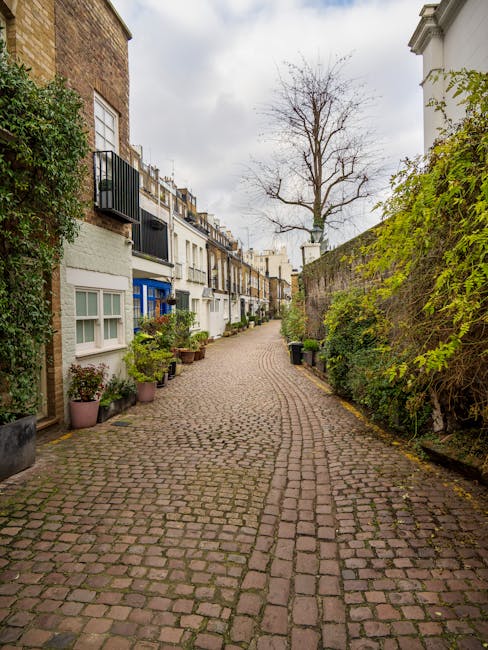
If you are planning Cromwell Road removals for period houses in South Kensington, you already know this is not a standard move. Tall windows, narrow staircases, delicate plasterwork, awkward parking, and the general reality of moving on a busy London road can turn a simple house move into a careful operation. The good news? With the right planning, the right team, and a calm, methodical approach, it can be handled smoothly. This guide breaks down what matters, how the move works, what to watch out for, and how to make life easier on moving day.
Period homes in South Kensington deserve a bit of respect. To be fair, so does your furniture. Whether you are moving a family home, downsizing, or just crossing a short distance along Cromwell Road or nearby SW7 streets, the details make a real difference.
Below, you will find practical advice, a realistic step-by-step process, and a few local insights that can save time, stress, and avoidable damage.
Why Cromwell Road removals for period houses in South Kensington Matters
Cromwell Road sits in one of London's busiest and most characterful corridors, and that matters more than people think. Period houses in South Kensington are often built with features that look beautiful but are not especially forgiving during a move: long flights of stairs, tight halls, uneven floors, sash windows, original mouldings, and entranceways that were never designed for modern oversized sofas.
That is why Cromwell Road removals for period houses in South Kensington need a different mindset from a basic flat move. You are not just transporting boxes. You are protecting a building, working around traffic, and trying to preserve items that may be old, valuable, sentimental, or all three at once. A scratched banister in a converted terrace, or a chipped marble table, can sour an otherwise successful day.
There is also the local reality. South Kensington is busy, elegant, and often awkward for loading. Nearby roads can be narrow, bays are limited, and timing matters. If you have ever watched a van pause while half the street seems to be trying to get around it, you will know the feeling. It's a bit like trying to fold a fitted sheet in public. Possible, but rarely graceful.
For period homes especially, the move needs more than muscle. It needs judgement. The team has to know when to dismantle furniture, how to pad sensitive surfaces, whether a piece should go through a stairwell or out of a window opening, and how to sequence the load so that fragile items are not buried under heavier ones. That is where proper removals planning earns its keep.
There is also a trust element. Period properties often contain antiques, artwork, books, mirrors, and inherited furniture that cannot simply be replaced. A careful move protects not just the items, but the confidence of the people moving them. And frankly, when the house itself has history, you want the move to feel respectful rather than rushed.
How Cromwell Road removals for period houses in South Kensington Works
A good house removal in this part of London usually starts well before moving day. The process is less about simply arriving with a van and more about planning the route, checking the property layout, and understanding the timing constraints around access and loading.
In many cases, the workflow looks something like this:
- Initial assessment - The mover reviews the size of the property, the number of floors, access points, and any items that need special handling.
- Parking and access planning - This is especially important on or near Cromwell Road, where stopping space may be limited and timing can be tight.
- Packing and protection - Furniture covers, blankets, tape, wrapping paper, wardrobe boxes, and floor protection are prepared in advance.
- Disassembly where needed - Beds, dining tables, shelving, and large wardrobes may need partial dismantling.
- Loading in sequence - Heavy, sturdy items go in first; delicate items are secured separately so nothing gets crushed or shifted.
- Transport and unloading - The move is carried out in an orderly way, with care taken at entrances, staircases, and hallways.
- Placement and reassembly - Items are put where you need them, and larger furniture is rebuilt if that service is arranged.
For period houses, the difference is in the detail. A good removals team will notice the little things: a tight turn on the landing, a low ceiling beam, an awkward front step, or an antique chest that should never be balanced on its side for long. These are not small details. They are the move.
It also helps if the crew communicates clearly and calmly. Nobody needs theatre on moving day. What you do need is someone who can say, "That sideboard will go better through the rear access," or "Let's protect that hallway floor first," and then actually do it. Simple, direct, reassuring. That's the tone you want.
Key Benefits and Practical Advantages
There are real advantages to using a removal service that understands both South Kensington and period homes. The benefits are not abstract; they show up in the way the day unfolds.
- Less risk of damage - Older homes and older furniture are both more vulnerable to knocks, scuffs, and stress.
- Better time control - A team familiar with local access issues can plan around traffic and parking more effectively.
- More efficient packing - Experienced movers know how to protect fragile items without overpacking every box.
- Safer lifting - Heavy lifting on narrow stairs is where injuries and accidents happen most easily.
- Reduced family stress - Period house moves can feel emotionally charged; having a structured plan helps everyone keep their heads.
- Better handling of awkward items - Think mirrors, grandfather clocks, large bookshelves, and upholstered chairs with delicate legs.
There is another benefit that is easy to overlook: goodwill. When moving teams work neatly and respectfully in a period house, neighbours notice. Porters notice. Building managers notice. That can make the whole process smoother, especially if there are multiple properties sharing access or if the street is already tight for space.
For many households, the real practical advantage is certainty. You may not be able to control London traffic or the weather, but you can control the quality of planning. That alone reduces the "what if?" feeling that tends to build up in the week before a move.
Who This Is For and When It Makes Sense
This kind of removal service is a good fit for several types of mover. If your property is a townhouse, terrace, mansion flat, converted period home, or a maisonette with original features, you will probably benefit from a specialist approach.
It makes particular sense if:
- you own antiques, artwork, or sentimental furniture
- your staircase is narrow or steep
- the front entrance has limited clearance
- parking near the property is likely to be difficult
- you are moving on a tight schedule
- you want packing, loading, and furniture protection handled professionally
- you are concerned about scuffs, chips, or breakages in an older property
It is also a smart choice if the move is emotionally difficult. Many period house moves are not purely logistical. They are life transitions: family changes, downsizing, a first move into a long-term home, or the sale of a property that has been in the family for years. In those moments, having a calm, organised removal process matters more than people admit at first.
Truth be told, people often underestimate the energy needed for a "small" local move. The distance may be short, but the complexity is not. A move from one South Kensington address to another can still involve access planning, floor protection, careful handling, and a lot of decision-making. Short journey, long list.
Step-by-Step Guidance
If you want the move to feel manageable, the best approach is to break it into stages. A period house move goes more smoothly when each step has a clear owner and timeline.
1. Walk through the property with a critical eye
Start by looking at the house as if every doorway and stair landing were a puzzle. Measure large furniture, note fragile pieces, and identify anything that may need special handling. If a wardrobe barely clears the corner now, it probably will not magically improve on moving day.
2. Separate items into clear groups
Divide belongings into what will be packed by the removal team, what you will move yourself, what should be stored separately, and what can be donated or discarded. This is where a little decluttering pays off. You do not want to be paying to move three boxes of cables from 2009.
If you are still sorting room by room, decluttering before moving can make the process far less chaotic.
3. Check access and timing early
Access is not a small issue on Cromwell Road and the surrounding streets. Plan for where the van can stop, how far items may need to be carried, and whether there are time restrictions. Even a short carry from van to front door can change the pace of the job.
Local access issues are covered well in the guide to access tips for South Kensington removals, and the advice transfers neatly to period-house moves nearby.
4. Prepare protective materials
Use floor runners, furniture blankets, corner protection, tape, bubble wrap, mattress covers, and wardrobe cartons where needed. In older homes, protecting surfaces is not being fussy. It is being sensible.
5. Pack room by room
Room-by-room packing helps preserve order. Label boxes clearly, not just by room but by priority if you can. A box marked "kitchen" is fine; a box marked "kitchen - everyday mugs and kettle" is better on day one.
6. Handle valuables separately
Jewellery, passports, documents, medication, laptops, and other essentials should travel with you, not in the main load. Keep these items together in a bag or small case you can find quickly.
7. Load heavy items strategically
Heavy furniture, books, and sturdy boxes should be loaded first, with fragile items secured so they do not move. A proper load plan reduces the chance of hidden damage that only appears after unloading.
8. Confirm placement at the new home
Before unloading begins, decide where furniture will go. It saves time, reduces confusion, and makes it easier to work around a period property's quirks, such as low windows, tighter rooms, or awkward corners.
9. Inspect as items come in
Do not wait until the van has gone before checking for issues. A quick visual inspection during unloading allows any concerns to be addressed while everyone is still on site. Much easier, and a bit less stressful.
10. Settle the basics first
Make the beds, find the kettle, and locate the essentials box. That one box can change the mood of the entire day. It is a tiny thing, but after a long move, having tea before the boxes are fully unpacked feels borderline luxurious.
Expert Tips for Better Results
Some moving advice sounds neat on paper and useless in real life. So let's focus on the things that actually help.
First, measure the awkward items before the move, not during it. If a large mirror, sofa, or wardrobe is tight by even a few centimetres, that detail matters. Period homes often have more than one pinch point.
Second, plan for two types of protection: item protection and property protection. It is easy to wrap furniture and forget the floorboards, skirting, banisters, and thresholds. In older houses, those surfaces are part of the move too.
Third, keep communication short and clear. If a piece is delicate, say so early. If a room is off limits until a floor covering is down, say it before the lifting starts. Nobody enjoys mid-move surprises.
Fourth, use storage if the timing is messy. Sometimes chain delays, renovations, or decorating work mean the new house is not ready for everything at once. Temporary storage can keep the move calm instead of chaotic. If you are protecting larger items, the advice in storage solutions for keeping furniture in good condition may help.
Fifth, treat old furniture like it matters. Because it usually does. A dining table passed down through the family is not just furniture. It is a story with legs. You want movers who get that without needing a lecture.
Sixth, plan your wardrobes and clothing separately. Clothes are often one of the easiest categories to pack badly. Hanging items, seasonal clothing, and shoes all benefit from a clear system. If you want a simple framework, packing clothes and shoes efficiently is a useful place to start.
Expert summary: For period-house removals in South Kensington, the winning formula is not speed for its own sake. It is measured planning, careful lifting, sensible packing, and a removal team that knows how to work around the character of the building rather than against it.
Common Mistakes to Avoid
Most problems during a move are preventable. They just happen because people are in a hurry or assume the house will "just work out." It rarely does, not in a period property.
- Underestimating access issues - A van can be the right size and still be the wrong fit for the street or the entrance.
- Leaving fragile items loosely packed - Padding matters, especially for glass, ceramics, artwork, and lamps.
- Failing to measure furniture - Some items will not make that turn. Better to know early.
- Forgetting about floor and wall protection - Small scuffs add up quickly in older homes.
- Packing essentials too deeply - The kettle, chargers, documents, and toiletries should not vanish into the back of the van.
- Not labelling boxes properly - Unclear labels create delays at the new property.
- Trying to move too much alone - Heavy lifting is where people get hurt and furniture gets damaged.
One mistake people make all the time is assuming that a local move means a simple move. It does not. A one-mile move can be more difficult than a longer one if the access is awkward or the property needs extra care. Distance is only part of the story.
Another quiet mistake is failing to sort out the order of priorities. If you do not know what must arrive first, unpacking becomes a scavenger hunt with boxes. Nobody needs that on the first evening.
Tools, Resources and Recommendations
You do not need a warehouse of kit to move well, but the right tools make a noticeable difference. For period-house removals, think in terms of protection, organisation, and safe handling.
| Tool or resource | Why it helps | Best use case |
|---|---|---|
| Furniture blankets | Protect surfaces from scratches and knocks | Wood, painted furniture, mirrors, and cabinets |
| Floor runners | Reduce dirt and scuffs in hallways and staircases | Older properties with original flooring |
| Wardrobe boxes | Keep clothing hanging and reduce creasing | Formal wear, coats, and delicate garments |
| Strong tape and labels | Keep boxes secure and easy to identify | Room-by-room packing and quick unloading |
| Mattress covers | Keep bedding clean and dry | All bedrooms, especially if access is tight |
| Tool kit | Useful for furniture dismantling and reassembly | Beds, shelving, and modular storage |
| Essentials bag | Keeps urgent items close at hand | First night items, documents, chargers, medication |
When choosing a removal option, think about the type of service that matches your property and your energy level. A full-service house move is useful if you want help with packing and handling. If the move is smaller or more flexible, a man and van arrangement may suit you better. For larger homes or heavier loads, a dedicated moving truck can provide the space and structure needed.
You may also find it helpful to read about house removalists, man and van services, or moving truck options depending on the scale of your move. Different moves, different tools. Simple as that.
If the job includes fragile household items, kitchen equipment, or heavy pieces, packing support can make the day far less fraught. The page on packing and unpacking services is a useful reference point for understanding what that can involve.
Law, Compliance, Standards, or Best Practice
For a move like this, the main compliance issues are practical rather than dramatic. You may need to think about parking permissions, access arrangements, waste disposal, insurance cover, and safe lifting practices. If you live in a managed building or a terraced property with shared access, building rules may also apply. Those details are often mundane until they are not.
Best practice generally includes:
- Checking parking and loading arrangements early so the van can operate legally and efficiently.
- Using suitable protection for floors and furniture to avoid avoidable damage.
- Handling lifting safely to reduce the risk of injury to people and damage to property.
- Confirming insurance arrangements so everyone understands what is covered.
- Respecting building or leasehold rules if the property has management restrictions.
There is no single universal rulebook for every South Kensington house move, and that is exactly why careful planning matters. If you are unsure about a local access or parking requirement, it is better to ask early than to discover a problem with boxes already stacked by the front door.
For moves around tightly managed streets and complex access points, useful local reading can include narrow street moving tips and access, parking and lift solutions for local moves. The names differ, but the underlying lessons are very similar.
Options, Methods, or Comparison Table
Not every move needs the same setup. The right method depends on property size, access, timescale, and how much you want handled for you.
| Option | Best for | Pros | Trade-offs |
|---|---|---|---|
| Full house removals | Larger period homes, families, fragile contents | Most support, less stress, better handling | Usually the most involved option to arrange |
| Man and van | Smaller loads, partial moves, flexible timing | Often quicker and more adaptable | May need more help from you with packing and lifting |
| Moving truck hire | Bulkier loads, direct transport needs | Good capacity for furniture and boxes | Works best when loading is already well organised |
| Packing and unpacking support | Busy households, time-sensitive moves | Saves time, improves order, reduces breakage risk | Adds another service layer to coordinate |
For period houses, full removals or a hybrid approach usually makes the most sense. A hybrid move might mean the movers handle furniture, packing, and transport while you keep control of personal items and paperwork. That can be a nice middle ground, especially if the home has delicate finishes or awkward access.
If you are deciding between quicker options, you might also compare a dedicated man with van service with a more complete home move service. One is not "better" in the abstract; it is better for a specific job.
Case Study or Real-World Example
Here is a realistic example from the kind of move this guide is really about.
A couple in a Victorian terrace near Cromwell Road were moving into a nearby period property with similar character but a trickier staircase. They had a large sofa, two marble-topped side tables, a book collection that somehow multiplied during packing, and a piano that had to be handled with care. The first concern was access. The second was the furniture. The third, if we are being honest, was nerves.
The move worked because it was planned in the right order. The team checked the entrance, measured the main awkward pieces, protected the floors, and set aside the delicate items before anything else was loaded. The piano was not left for "later"; it was dealt with as a known problem, which is always the better approach. A few items went into temporary storage because the new rooms were still being decorated. That was not ideal, but it was neat, controlled, and far less stressful than trying to force every item into place on day one.
What made the biggest difference was not speed. It was clarity. Everyone knew what was moving, what was staying, and what needed extra caution. There was a moment, just before unloading, when the hallway looked almost too narrow for the sofa. A bit of repositioning, a protected turn, and it slid through cleanly. Nice when that happens. Not magical. Just prepared.
That is the lesson. In a period-house move, a calm process beats a hurried one every time.
Practical Checklist
Use this checklist to keep the move grounded and sensible. It is simple, but that is exactly why it works.
- Measure large furniture and note any tight corners or stair turns
- Confirm access, parking, and timing arrangements in advance
- Sort belongings into keep, donate, store, and move categories
- Pack an essentials bag for the first 24 hours
- Label boxes clearly by room and priority
- Wrap fragile items individually and cushion them well
- Protect floors, bannisters, and door frames in the old and new home
- Disassemble bulky furniture where needed
- Keep documents, valuables, and medications with you
- Walk through the new property before unloading begins
- Check items on arrival rather than waiting until the end
- Set up beds, lighting, and kitchen basics first
If you want to stay organised from the outset, you may also find how to stay organised and calm throughout your move useful. It is the sort of advice that sounds obvious until the day gets busy.
Quick takeaway: The cleaner the plan, the quieter the moving day feels. And quiet is underrated.
Conclusion
Cromwell Road removals for period houses in South Kensington are about more than getting belongings from one address to another. They are about protecting older homes, handling valuable furniture carefully, and making a London move feel controlled rather than chaotic. With proper planning, sensible packing, and a team that understands local access and period-property quirks, the day becomes much easier to manage.
The key is not perfection. It is preparation. Measure twice, protect well, keep essentials close, and do not underestimate the value of a steady pair of hands. A well-run move leaves you with your belongings intact, your property respected, and a little bit of energy left for the first proper cup of tea in the new place.
Get a free quote today and see how much you can save.
Frequently Asked Questions
What makes Cromwell Road removals for period houses in South Kensington different from a normal move?
Period houses usually have tighter staircases, older finishes, and more delicate features than standard modern homes. On or near Cromwell Road, you also need to factor in access, parking, and traffic. That combination means more planning and more care.
Do I need a specialist removal team for a period house?
If your home has awkward access, valuable furniture, antiques, or original features you want to protect, a specialist-style approach is sensible. Not every move needs a niche team, but period properties often benefit from one.
How far in advance should I book removals in South Kensington?
As early as you reasonably can, especially if you are moving at a busy time of year. Early booking gives you more time to plan access, packing, and any special handling for fragile items.
Can movers help protect floors and banisters in an older house?
Yes, many do, and in a period property that is a very good idea. Floor runners, padding, and careful handling reduce the chance of scuffs and chips during the move.
What if my furniture is too large for the staircase?
That is common enough in older homes. In many cases, furniture can be dismantled or moved via an alternative route, depending on the property layout. Measuring in advance helps avoid surprises.
Is packing service worth it for a local move?
Often, yes. A short move can still be complicated, and packing support can save time, reduce breakages, and make the whole day feel less frantic. Especially useful if you are juggling family, work, or a tight completion schedule.
How do I prepare antiques or artwork for the move?
Use proper wrapping, keep them separate from heavier items, and make sure the removal team knows which pieces need extra caution. If the item is especially valuable or fragile, it may need a tailored approach rather than standard box packing.
What should go in my essentials bag?
Keep documents, medication, chargers, keys, toiletries, basic snacks, water, and a change of clothes close at hand. If you have children, add comfort items or anything that helps the first night feel settled.
How can I reduce the risk of damage on moving day?
Measure large items, protect floors and surfaces, use proper packing materials, label boxes clearly, and do not rush the loading process. A slower, well-organised move is usually a safer one.
Are short local moves easier than longer moves?
Not always. Short moves can still be difficult if access is awkward, parking is limited, or the property has lots of stairs and delicate features. Distance is only one part of the equation.
Should I consider storage during a period-house move?
Yes, if your timings do not line up neatly or if you are decorating, renovating, or downsizing. Temporary storage can make the move much more manageable and stop you from forcing items into the wrong space.
What is the best way to choose between a man and van and a full removal service?
Think about the size of the move, the value of your belongings, and how much help you want. A man and van can work well for smaller, simpler jobs, while a full service is usually better for larger or more delicate period-house moves.
Can removals teams help if access on Cromwell Road is tight?
Yes, that is part of what experienced local movers do. They can plan loading, time arrival more carefully, and adapt the move to the access available. That said, it always helps if you share access details early.
What is the single most important thing to remember?
Plan for the property you actually have, not the one you wish you had. Period houses reward careful thinking. If you respect the building, the building tends to be a little kinder back.